
تخصیص اعتبار اولیه تا ۳۰ میلیون تومان
خرید قسطی با تربپی
۴ قسط، بدون کارمزد
بدون ضامن، بدون چک
هیچ محصولی در سبد خرید نیست.

✔️ راهنمای جستجو: واژه ها جمع را حتما به صورت جدا و نه چسبیده بنویسید ◄ مثال: کتاب ها
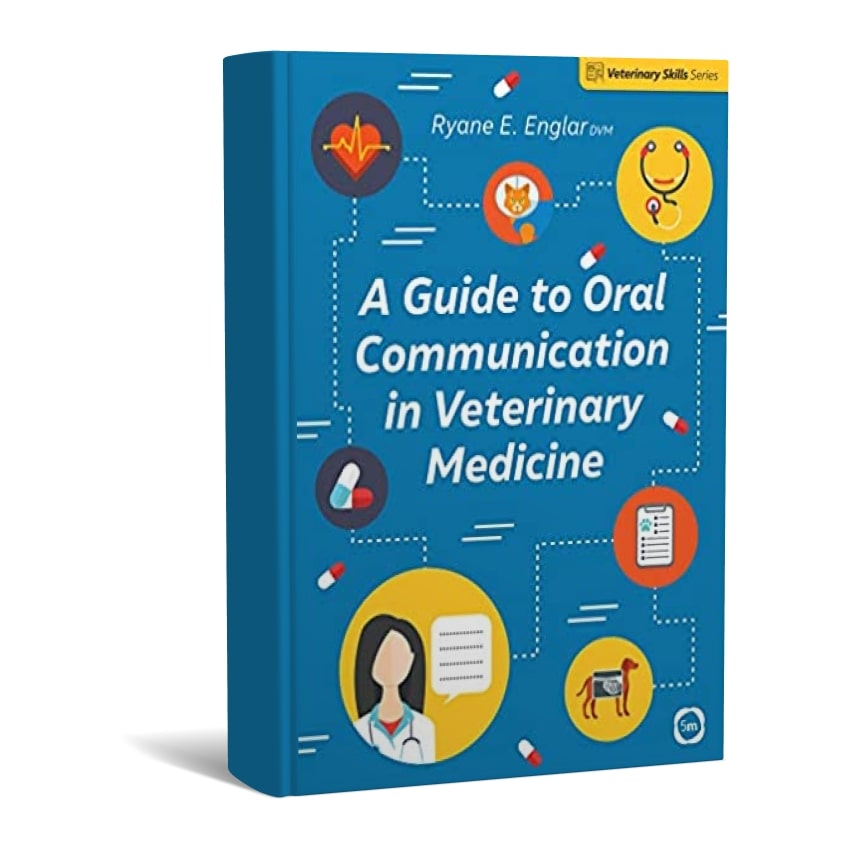
Books A Guide to Oral Communication in Veterinary Medicine Publications: 5m Paperback:472 pages By: Ryane E. Englar 1st Edition 2020
Sections:
1. What Do Our Clients Understand?
2. How Can We Help Our Clients to Understand?
3. How Can We Structure the Consultation from the Vantage Point of Clinical Communication?
4. First Impressions
5. Defining Entry-Level Communication Skills
6. Communication Skills
7. Defining Entry-Level Communication Skill
8. Defining Entry-Level Communication Skills Open-Ended Questions and Statements
9. Defining Supplemental Communication Skills Reducing Medical Jargon
10. Enhancing RelationshipCentered Care through Partnership
11. Eliciting the Client’s Perspective to Enhance Relationship-Centered Care
12. Asking Permission to Enhance Relationship-Centered Care
13. Enhancing RelationshipCentered Care by Assessing the Client’s Knowledge
14. Mapping Out the Clinical Consultation
15. Communication Skills that Facilitate Client Comprehension
16. Communication Skills that Facilitate Compliance
17. Agenda-Setting and the Final “Check-In”
18. Defining Two New Skills that Companion-Animal Clients Value
19. Using Communication Skills to Initiate the Consultation
20. Using Communication Skills to Gather Data
21. Using Communication Skills to Gather Data Explaining and Planning
22. End-of-Chapter Reading Comprehension Questions
23. Workbook-Style Exercises
24. Answer Key to Workbook-Style Exercises
25. Clinical Vignettes for Role Play
Description:
Good communication skills provide better clinical outcomes and help avoid minor as well as major mistakes. Approximately 60-80% of negligence claims against vets are related to poor communication, with new graduates especially vulnerable. Communication skills are a growing part of the curriculum in veterinary schools, recognising how fundamental clear communication is to good practice. A Guide to Oral Communication in Veterinary Medicine covers why communication skills are important, the structure of typical communications and suggested approaches, veterinary specific communication pathways, and sample scripts between vet and client. Scenarios covered include everyday communication, dealing with challenging situations, different species, different settings, and communication within the veterinary team. The aim is to instill confidence and competence, build professionalism, and avoid problems. Most current teaching is based on a toolbox approach developed from the human medicine model. However, there is no set standard for teaching methodology, which is why this is primarily a book for students, but also includes a section for educators to provide guidance in this nascent subject.
برای ثبت دیدگاه، لازم است ابتدا وارد حساب کاربری خود شوید. اگر این محصول را قبلا از این فروشگاه خریده باشید، دیدگاه شما به عنوان مالک محصول ثبت خواهد شد.
بر اساس 0 دیدگاه
برای ثبت پرسش، لازم است ابتدا وارد حساب کاربری خود شوید



پس از یک دهه تلاش در حوزه توزیع کتب دانشگاهی با تمرکز بر رشته های دامپزشکی، زیست شناسی، صنایع غذایی و کشاورزی، تصمیم گرفتیم تا مرجعی آنلاین و بروز جهت سهولت دسترسی و خرید کتب دانشگاهی راه اندازی کنیم.
رسالت ایران وت بوک از ابتدای راه اندازی، تضمی اصالت محتوای کتاب، کیفیت بالای چاپ، بروز بودن عناوین و تحویل بوده و هست.
فروشگاه «ایران وت بوک» اولین و کامل ترین مرجع کتاب های دامپزشکی است که تمامی عناوین مورد نیاز دانشگاهیان را گردآوری کرده است.
دانشجویان و اساتید عزیز می توانند با مراجعه به وبسایت «ایرات وت بوک» کتب مورد نیاز خود را جستجو کرده، سفارش خود را ثبت کنند و درب منزل یا محل کارشان تحویل بگیرند.

کلیه حقوق مادی و معنوی برای ایران وت بوک محفوظ می باشد و هرگونه کپی برداری مورد پیگیرد قرار خواهد گرفت.
IranVetBook 2023 ©



نقد و بررسیها0
هنوز بررسیای ثبت نشده است.