
تخصیص اعتبار اولیه تا ۳۰ میلیون تومان
خرید قسطی با تربپی
۴ قسط، بدون کارمزد
بدون ضامن، بدون چک
هیچ محصولی در سبد خرید نیست.

✔️ راهنمای جستجو: واژه ها جمع را حتما به صورت جدا و نه چسبیده بنویسید ◄ مثال: کتاب ها
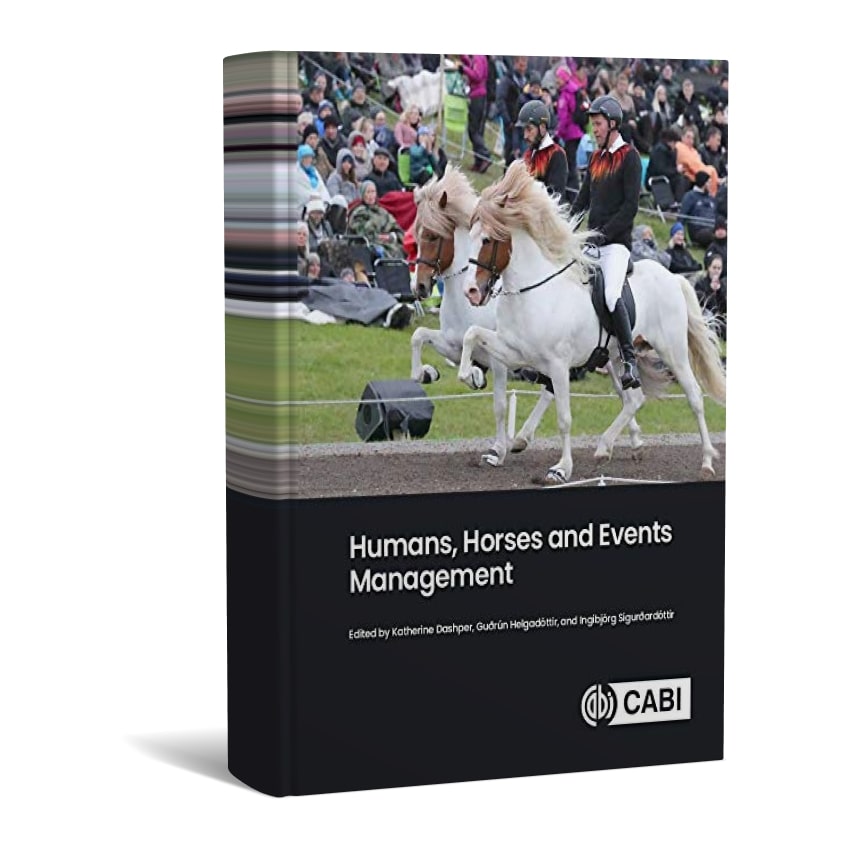
Books Humans, Horses and Events Management Publications: CABI By: K. Dashper G. Helgadóttir I. Sigurðardóttir Paperback:237 pages 1st Edition 2021
Sections:
1. Introduction: Managing and Experiencing an Equestrian Event
2. Event Communities
3. FEIF, the International Federation of Icelandic Horse Associations
4. The Star of the Show: the Icelandic Horse
5. Strategic Management of Horse-related Events: the Case of the National Championships of the Icelandic Horse (Landsmót) 1998–2008
6. Events Management and Organization: the Execution of Landsmót, Reykjavík 2018
7. Segmentation, Marketing, Venue Selection and Competitiveness of Events
8. The Visitor Experience at a Horse Event
9. Volunteering at Landsmót: Gaining Knowledge and Experience
10. Horse Welfare at Events
11. Identity Construction in Relation to Niche Events: Images of Landsmót in Social Media
12. Multispecies Encounters in Events
13. Economic Impact Analysis of Events: Landsmót 2016
14. Community Impacts of Events: Resident Expectations and Experiences
15. Event Legacies
16. Comparing Landsmót 2016 with Other Equestrian Events: the Case of the Alltech FEI World Equestrian Games™ 2014 in Normandy
17. Landsmót: A Short Documentary
18. Conclusions: Planning, Managing and Experiencing Equestrian Events
Description:
Horses are perhaps the most common non-human animal to feature in planned events, but although there is considerable research on equestrian sport, there is virtually none on equestrian events. This book begins to address this gap, using the National Championships of the Icelandic Horse as an extended case study to explain in depth the process of managing an event, as well as the larger theoretical implications of events management. Drawing on diverse viewpoints and theoretical perspectives, the book draws wider comparisons to connect events management to larger themes in the social sciences, such as human-animal relations; nationalism; place branding; event impacts; event experience; and inclusion and exclusion. The book is a contribution to two fields. In relation to human-animal studies, it focuses on how the Icelandic horse breed is marketed and celebrated through top-tier competition; whereas from an events management perspective, it considers the role of the event in community building, the practical and theoretical aspects of running a sustainable equestrian event, and the issues that arise in multispecies event contexts.
برای ثبت دیدگاه، لازم است ابتدا وارد حساب کاربری خود شوید. اگر این محصول را قبلا از این فروشگاه خریده باشید، دیدگاه شما به عنوان مالک محصول ثبت خواهد شد.
بر اساس 0 دیدگاه
برای ثبت پرسش، لازم است ابتدا وارد حساب کاربری خود شوید





پس از یک دهه تلاش در حوزه توزیع کتب دانشگاهی با تمرکز بر رشته های دامپزشکی، زیست شناسی، صنایع غذایی و کشاورزی، تصمیم گرفتیم تا مرجعی آنلاین و بروز جهت سهولت دسترسی و خرید کتب دانشگاهی راه اندازی کنیم.
رسالت ایران وت بوک از ابتدای راه اندازی، تضمی اصالت محتوای کتاب، کیفیت بالای چاپ، بروز بودن عناوین و تحویل بوده و هست.
فروشگاه «ایران وت بوک» اولین و کامل ترین مرجع کتاب های دامپزشکی است که تمامی عناوین مورد نیاز دانشگاهیان را گردآوری کرده است.
دانشجویان و اساتید عزیز می توانند با مراجعه به وبسایت «ایرات وت بوک» کتب مورد نیاز خود را جستجو کرده، سفارش خود را ثبت کنند و درب منزل یا محل کارشان تحویل بگیرند.

کلیه حقوق مادی و معنوی برای ایران وت بوک محفوظ می باشد و هرگونه کپی برداری مورد پیگیرد قرار خواهد گرفت.
IranVetBook 2023 ©



نقد و بررسیها0
هنوز بررسیای ثبت نشده است.